Burundi, a treasure house — a journey through the provinces
Discovering the country
Burundi, a treasure house
Protected areas, lakes, waterfalls, sanctuaries and farming country, province by province. Everything that follows — text and photographs — comes from the 2025-2026 annual bulletin of the Ministry of Communication and Media.
Nature
Protected areas and natural habitats
Two national parks, lakes, wetlands and a reserve of international importance.
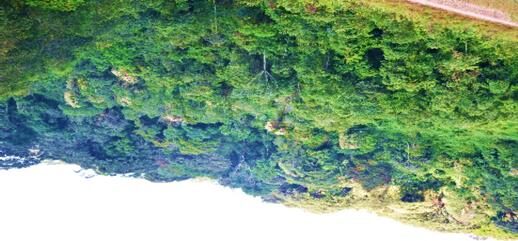
Photo: Ministry of Communication and Media of Burundi
National park
The country's ecological lung. Primates, rare birds and exceptional flora; trails open to eco-walking. The bulletin also describes it as Burundi's largest chimpanzee sanctuary.
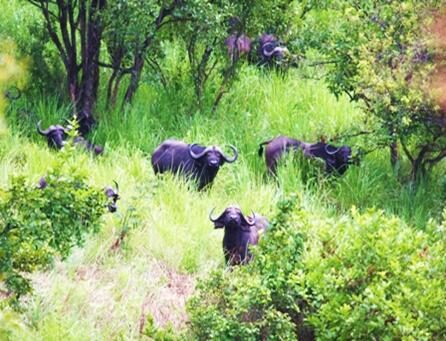
Photo: Ministry of Communication and Media of Burundi
National park
50,800 hectares. More than 425 bird species, 44 mammal species — buffalo, defassa waterbuck, hippopotamus — and 14 fish species. About 180 visitors a month, some thirty of them from abroad.
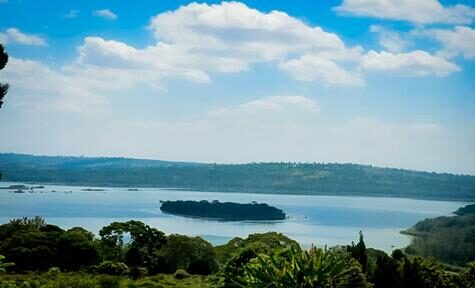
Photo: Ministry of Communication and Media of Burundi
Lake Rwihinda, the lake of birds
Nature reserve
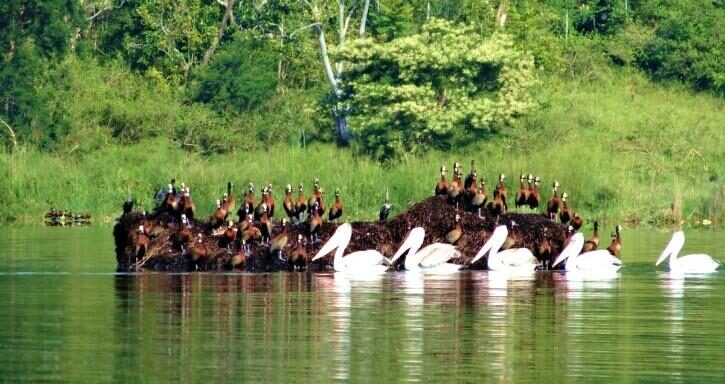
Photo: Ministry of Communication and Media of Burundi
The birds of Rwihinda
Little egrets, cormorants, cattle egrets, grey herons, white pelicans and other migratory species from Europe.
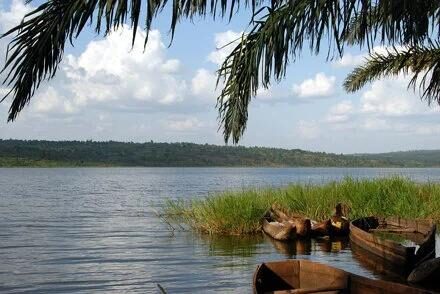
Photo: Ministry of Communication and Media of Burundi
Lake Rweru
The largest of the eight lakes of the Bugesera natural region. A cross-border freshwater body of about 100 km², at 1,324 metres. Dugout canoe, birdwatching, wetlands.
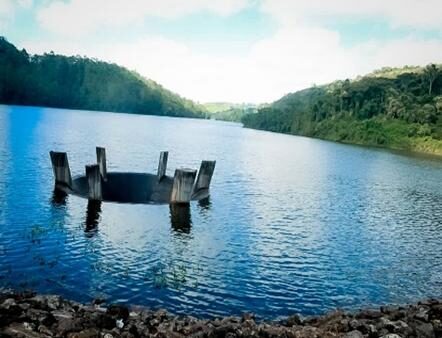
Photo: Ministry of Communication and Media of Burundi
Rwegura dam and lake
Surrounded by green mountains, the lake feeds the Rwegura hydroelectric station, one of the country's main sources of electricity.
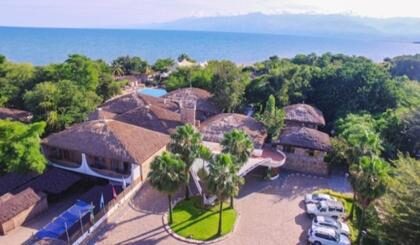
Photo: Ministry of Communication and Media of Burundi
Lake Tanganyika and its beaches
The bulletin presents it as the second deepest lake in the world after Baikal, and as the home of the Ndagala and the Mukeke. Its laid-out beaches welcome national and international visitors each year.
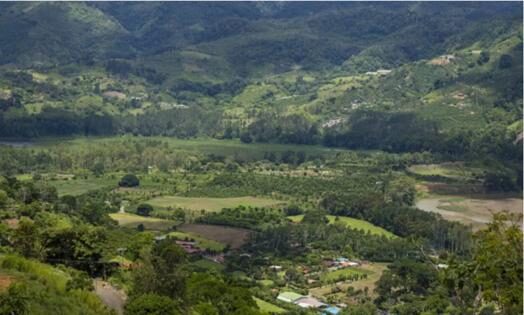
Photo: Ministry of Communication and Media of Burundi
The heights of Mugamba
The cool heights of Mugamba and Bututsi. Burunga province has seven natural regions: Imbo, Mirwa (Congo-Nile ridge), Buragane, Bututsi, Kumoso, Mugamba and Kirimiro.
Wonders
Waterfalls, rifts and hot springs
Five natural sites named by the bulletin, from the south of the country to the central plateaux.
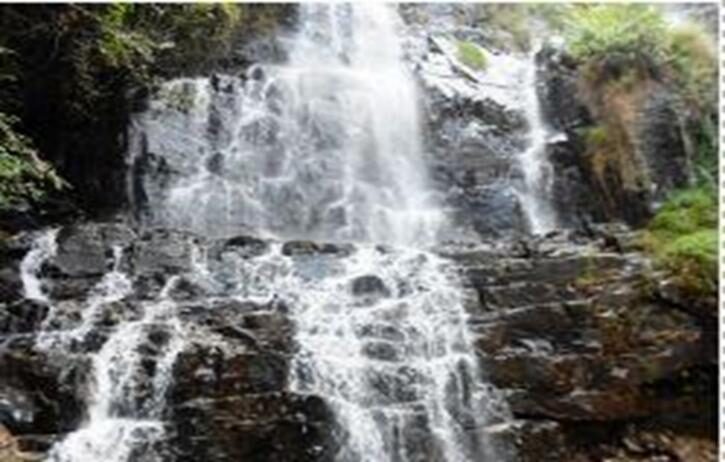
Photo: Ministry of Communication and Media of Burundi
Waterfalls
At Musongati, cascades tumbling over the rocks. A few metres away, the Mwishanga falls, popular for family picnics.
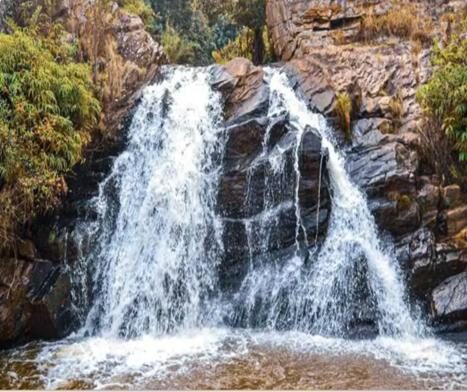
Photo: Ministry of Communication and Media of Burundi
Agasumo ka Mwaro
A series of falls on the Kayokwe river. A place of natural beauty and a high place of traditional worship: the waters of these falls are held to be sacred.
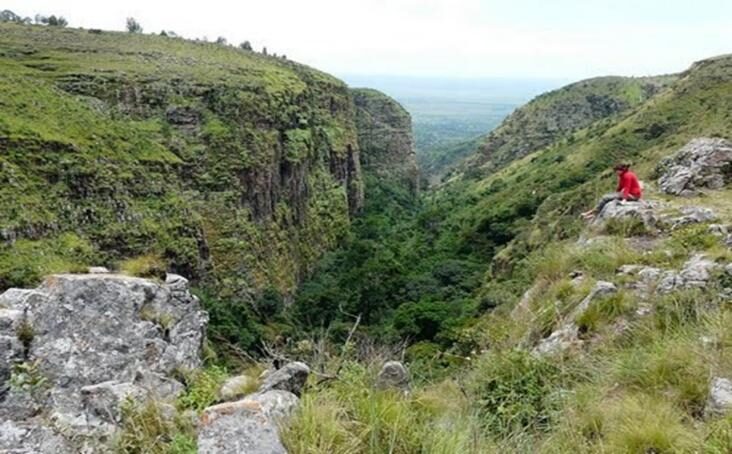
Photo: Ministry of Communication and Media of Burundi
Nyakazu rifts
Also called the German rifts, at Rutana. Rock formations and paths winding through the landscape.
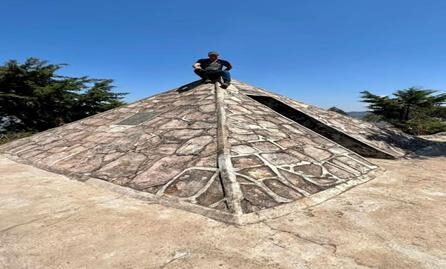
Photo: Ministry of Communication and Media of Burundi
The southernmost source of the Nile
At Gasumo, Bururi commune. The site is marked by a symbolic pyramid erected by the Geographical Institute of Burundi.
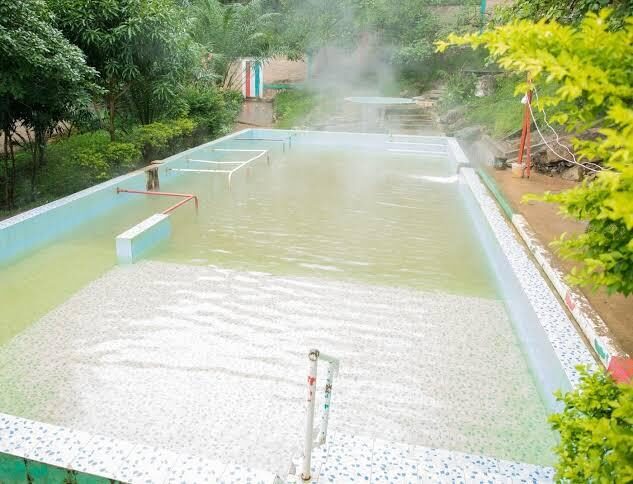
Photo: Ministry of Communication and Media of Burundi
Hot springs
At Rumonge, on the shores of Lake Tanganyika. The bulletin also names the hot springs of Muyange, at Bururi, and those of Gishuha, at Gitega.
Heritage
Cultural and spiritual heritage
Royal drums, first missions, places of pilgrimage and dances.
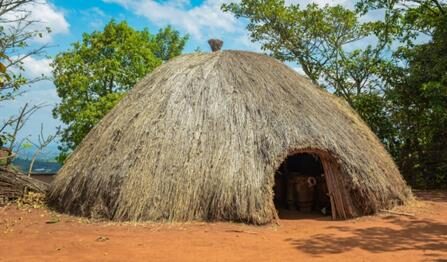
Photo: Ministry of Communication and Media of Burundi
Gishora sanctuary
Sanctuary of the royal drums, in Gitega commune, established under King Mwezi Gisabo in the nineteenth century. It offers visitors drumming performances.
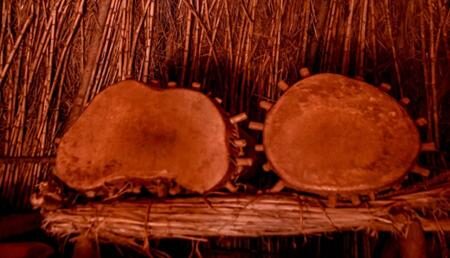
Photo: Ministry of Communication and Media of Burundi
The royal drums
The rhythms and dances of Gishora bring out the cultural identity of Burundi. The sanctuary is among the most powerful symbols of that culture.
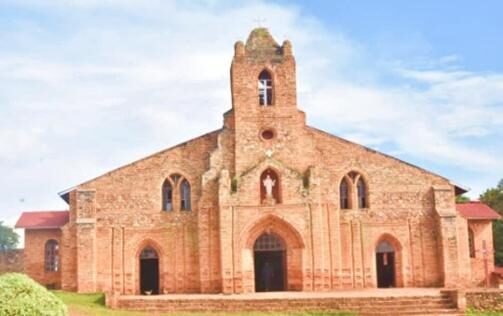
Photo: Ministry of Communication and Media of Burundi
Muyaga parish
Sacred Heart of Jesus parish of Muyaga, in Cankuzo commune: the first Catholic parish established in Burundi, founded on 23 May 1898. The Buruhukiro sanctuary, where the first altar was raised, receives about 3,000 visitors a month.
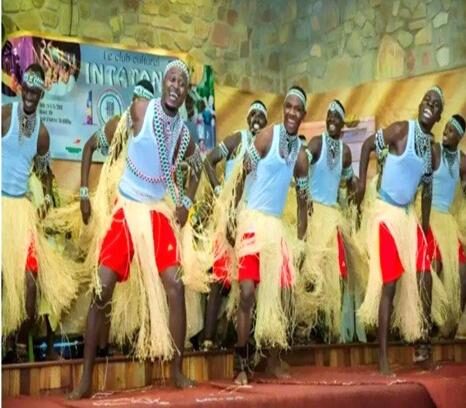
Photo: Ministry of Communication and Media of Burundi
Dances and repertoires
Ingoma, found in every commune; Agasimbo in Buragane; Umuyebe on the Imbo plain; Sebeya at Makamba; Ihuruma in the Kumoso.
The five provinces
A journey through the new territorial division
Click a province to unfold its communes, its landscapes and its sites.
Bujumbura — the economic shop window
Eleven communes: Bubanza, Bukinanyana, Cibitoke, Isare, Mpanda, Mugere, Muhuta, Mugina, Mukaza, Ntahangwa, Rwibaga. Main town: the city of Bujumbura.
Bounded to the west by the Democratic Republic of the Congo, to the north by Butanyerera province and Rwanda, to the south by Burunga province and to the east by Gitega province. Its relief combines the Imbo plain, the hills and the mountains of the Congo-Nile ridge.
To see: the port of Bujumbura, the country's maritime gateway on Lake Tanganyika; Melchior Ndadaye international airport; Intwari stadium, built in the 1960s under the name Prince Louis Rwagasore stadium and since refurbished; the beaches of Lake Tanganyika; the trees planted along the main roads, which carry the « green city » project; the mu Mirwa massif overlooking the city; Cibitoke, the country's « farming granary »; Bubanza and its rice fields, bordered by the Rukoko nature reserve and Kibira National Park.
Gitega — political capital and cultural heart
Nine communes: Bugendana, Gitega, Gishubi, Karusi, Kiganda, Muramvya, Mwaro, Nyabihanga, Shombo.
Political capital of Burundi since 2018 and the country's second largest city, 65 kilometres east of Bujumbura, on the Kirimiro high plateaux, between 1,600 and 2,000 metres.
To see: the sanctuary of the royal drums at Gishora; the Gishuha hot springs; the Marian sanctuary of Mugera, where the Catholic mission was established in 1899 and the sanctuary consecrated on 15 August 1961 in the presence of Prince Louis Rwagasore, home to the Minor Basilica; the Christ the King cathedral at Mushasha; the free public internet space; Muramvya, the last residence of the Burundian kings before 1966, and the former royal capital of Kiganda; the Agasumo ka Mwaro falls; the CEFOR-Rusi centre in Shombo commune; the monument to Unity and Independence at Karusi; the Mubuga solar power station.
Butanyerera — coffee, tea and the great northern lakes
Eight communes: Busoni, Kayanza, Kiremba, Kirundo, Matongo, Muhanga, Ngozi, Tangara. Main town: Ngozi.
In the north of the country, bordering Rwanda. Its motto: « Nta vyizana, biraronderwa, ahari ishaka nta kidashoboka » — nothing is obtained without effort; where there is will, nothing is impossible.
Products: high-quality coffee for export, tea recognised on international markets, Hass avocado known as « Ruhere », maize, beans, potato, cassava, banana, vegetable and fruit crops.
To see: Kibira National Park; the Rwegura dam and reservoir; Lake Rwihinda; Ngozi, in the Buyenzi coffee region at about 1,800 metres; Kayanza, at nearly 2,000 metres, the heart of national coffee and tea production.
Buhumuza — quiet country and the Ruvubu
Seven communes: Gisagara, Cankuzo, Butihinda, Muyinga, Butaganzwa, Ruyigi, Gisuru. Main town: the city of Cankuzo, in the Buyogoma natural region.
The name Buhumuza comes from the verb guhumuza, « to console » or « to comfort », linked to a legend of peace and calm.
To see: Ruvubu National Park; the Sacred Heart of Jesus parish of Muyaga, the country's first Catholic parish (23 May 1898), and the Buruhukiro sanctuary; the Misugi cross, raised in 1898 in Gisagara commune; Lake Rweru; Muyinga, at the crossing of the border corridors towards Tanzania; Ruyigi, at the foot of Mount Mpungwe, and its « KAZE MU RUYIGI » roundabout.
Burunga — from Lake Tanganyika to the source of the Nile
Seven communes: Bururi, Makamba, Matana, Musongati, Nyanza, Rumonge, Rutana. The main town is in Makamba commune.
The province stretches along Lake Tanganyika, bordering the Democratic Republic of the Congo to the west and Tanzania to the south-east. It has seven natural regions: Imbo, Mirwa on the Congo-Nile ridge, Buragane, Bututsi, Kumoso, Mugamba and Kirimiro.
To see: the southernmost source of the Nile at Gasumo; the Karera and Mwishanga falls at Musongati; the Nyakazu rifts; the hot springs of Mugara and Muyange; the Bururi forest reserve, a biodiversity sanctuary sheltering primates and rare birds; the beaches and fishing of Rumonge; the Burton and Speke monument at Nyanza; the Nkurunziza Peace Park Complex Stadium at Makamba.
Industries named: the Mosso Sugar Company, Savonor, the Karonda industrial complex (CIKAR), the Tora tea factory, and an ISABU research unit for multiplying selected seed.
Farming country
What the hills produce
The crops, the fishing and the energy named by the bulletin.
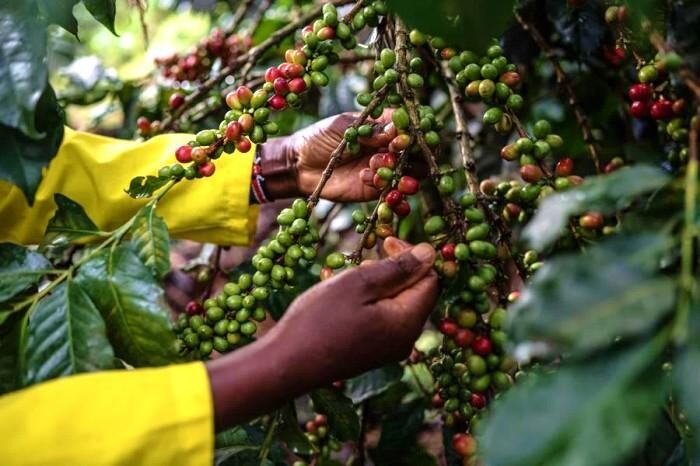
Photo: Ministry of Communication and Media of Burundi
Arabica coffee
Kayanza and Ngozi, in the Buyenzi coffee region. Kayanza has many washing stations and food-processing units.
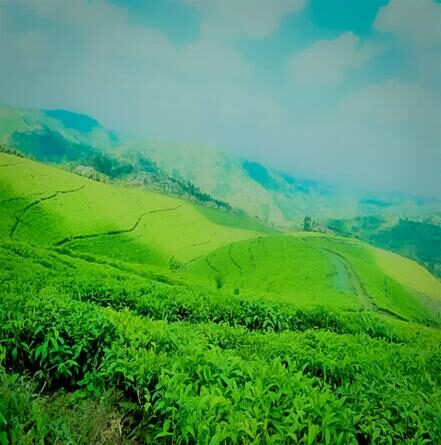
Photo: Ministry of Communication and Media of Burundi
Tea
Tea plantations of Butanyerera and Muramvya, where the temperate climate favours mixed farming. The Tora tea factory is in Burunga.
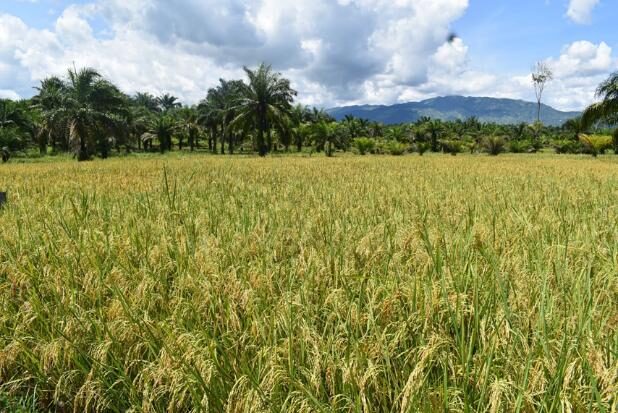
Photo: Ministry of Communication and Media of Burundi
Imbo rice
The Imbo plains, at Bubanza, are known for their wide stretches given to rice, carried by fertile soils and a favourable climate.
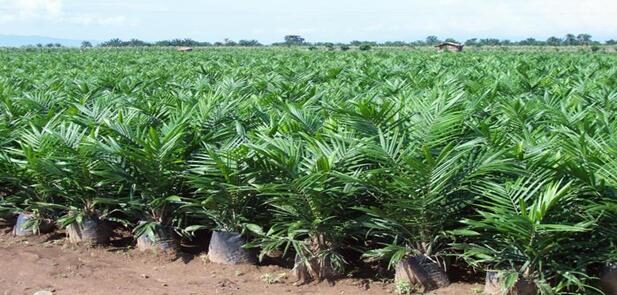
Photo: Ministry of Communication and Media of Burundi
Oil palm
Rumonge is known for its wide palm groves, whose working contributes significantly to the national economy.
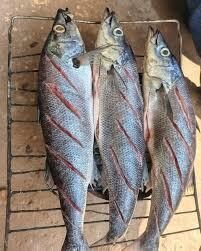
Photo: Ministry of Communication and Media of Burundi
Mukeke and Ndagala
Two emblematic fish of Lake Tanganyika. The Ndagala, a small silver fish, accounts for about 75% of the fishing catch.
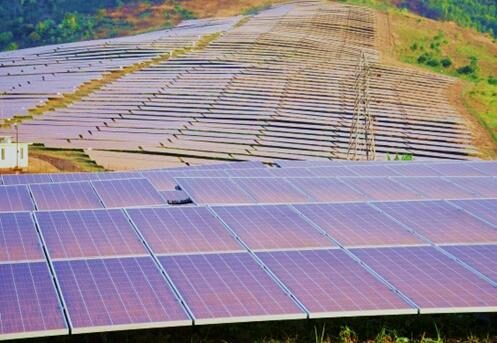
Photo: Ministry of Communication and Media of Burundi
Mubuga solar power station
On Mirama hill, in Gitega commune. It adds to REGIDESO's production. The production figures given by the bulletin for this site are contradictory; they are therefore not repeated here.
Text and photographs: Voyage à travers les Provinces du Burundi : Écrin Richesse, the 2025-2026 annual bulletin of the Ministry of Communication and Media of Burundi, dated 1 July 2026, 31 pages. ACAPE Burundi is not the author of this document and reproduces it for educational purposes.
Open the full bulletin (PDF) · See the 24 photographs · Follow the environmental course
Why this page on an environmental education platform? Because we protect better what we know. The Kibira and Ruvubu parks, Lake Rwihinda and its birds, the Rweru wetlands, the Bururi forest: these are the habitats module 1 (Introduction to the environment) and module 6 (Biodiversity) of the Imuhira course talk about. This connection is a proposal by ACAPE Burundi; it does not appear in the bulletin.